Emissions Testing in Douglasville Georgia
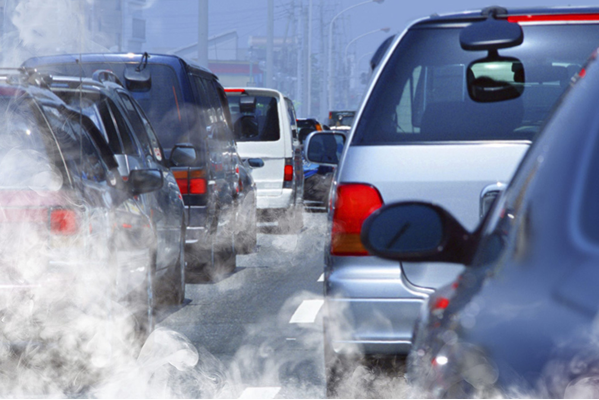
Emissions testing is a diagnostic procedure used to measure the amount of pollutants a vehicle releases into the atmosphere, ensuring it meets legal environmental standards.
What is Tested?
- Hydrocarbons (HC): Unburned fuel that contributes to smog.
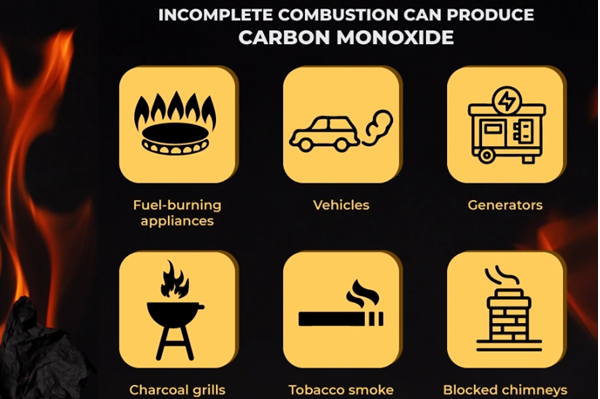
- Carbon Monoxide (CO): A colorless, odorless gas that is toxic when inhaled.
- Nitrogen Oxides (NOx): Gaseous pollutants that cause respiratory issues and acid rain.
- Particulate Matter: Soot and fine particles, specifically tested in diesel vehicles.
- Carbon Dioxide (CO2): A greenhouse gas that contributes to climate change.
How is it Tested?
The specific method depends on your vehicle’s age and local state requirements:
- On-Board Diagnostic (OBD) Test: Standard for most vehicles made in 1996 or later. A technician plugs a scanner into the car’s OBD-II port to check for error codes and ensure the “Check Engine” light is functioning correctly.
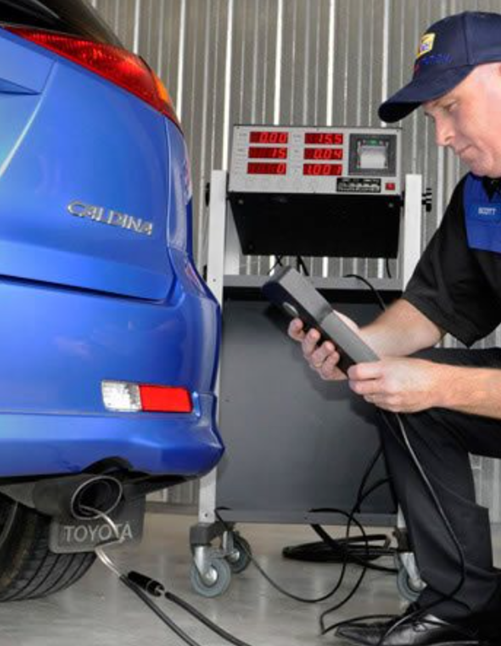
- Tailpipe (Exhaust) Test: Used primarily for older vehicles. A probe is inserted into the tailpipe to measure pollutants directly while the car is idling (Two-Speed Idle test) or running on a dynamometer (treadmill) to simulate driving.
- Visual & Safety Checks: Technicians verify the presence of emission control parts like the catalytic converter and check the gas cap for a proper seal to prevent fuel vapors from escaping
Why are emissions Tested?
Testing is mandated by federal laws like the Clean Air Act to achieve several goals:
- Public Health: Reducing pollutants that trigger asthma, lung disease, and cardiovascular issues.
- Environmental Protection: Lowering greenhouse gas emissions to combat climate change and reduce smog.
- Vehicle Efficiency: A failed test often signals engine or fuel system issues. Fixing these can improve fuel economy and extend your car’s lifespan.
- Legal Compliance: In many states, passing the test is required to renew your vehicle registration.